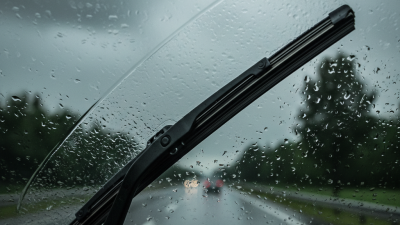
Top Soft Wiper Blade Trends to Watch Out for in 2026
As we approach 2026, the automotive industry is witnessing notable advancements in wiper blade technology. Among these innovations, the "Soft Wiper Blade" is emerging as a key player. These blades are designed for better performance and enhanced visibility during adverse weather conditions. Their soft rubber composition reduces noise and improves contact with the windshield.
Market trends indicate increasing consumer demand for products that prioritize safety and comfort. Soft Wiper Blades offer superior flexibility, allowing them to adapt to various windshield shapes. This adaptability is essential for achieving optimal function.
However, not all Soft Wiper Blades are created equal. Quality and durability can vary significantly among manufacturers. Consumers must consider these differences to find reliable options. Emphasizing quality over cost can lead to improved driving safety and experience.
Top Soft Wiper Blade Materials and Their Impact on Performance in 2026
Soft wiper blades are evolving rapidly. The materials used in their construction will significantly affect windshield performance in 2026. One of the major trends is the shift towards silicone-based components. Silicone blades offer superior flexibility and durability compared to traditional rubber. They perform better in extreme weather, providing clearer visibility.
In addition, hybrid materials are gaining traction. Blades combining rubber with other materials can optimize grip and reduce streaking. This innovation enhances performance and longevity, crucial for safety. Users might notice these advancements, especially during heavy rain or snow, where visibility is paramount.
As we look ahead, understanding the impact of these materials is essential. Some users still cling to traditional rubber blades, sometimes overlooking the benefits of innovation. While change can be daunting, embracing new technology often leads to better driving experiences. Balancing familiarity with progress remains a challenge for many consumers.
Emerging Technologies in Soft Wiper Blade Design: What's New for 2026
The soft wiper blade industry is evolving rapidly. In 2026, several emerging technologies will dominate the landscape. Recent reports indicate that the global automotive wiper market is expected to grow at a CAGR of 6.5%. Innovations in blade materials and design are essential factors contributing to this trend.
One key area of development is the incorporation of advanced polymers. These materials provide superior flexibility and durability. Research shows that wiper blades made from high-performance polymers can last 30% longer than traditional options. Additionally, the integration of nanotechnology into wiper blade coatings enhances water repellency. This results in improved visibility during inclement weather.
Another exciting advancement is the use of artificial intelligence in wiper control systems. This technology allows wipers to adjust their speed based on real-time weather conditions. Reports reveal that AI-driven systems can reduce wear on blades by 20%. While these innovations are promising, the industry still faces challenges. Manufacturing costs remain high, which can inhibit widespread adoption. The next few years will be crucial for addressing these issues and improving overall performance.
Top Soft Wiper Blade Trends to Watch Out for in 2026
Market Trends: Growth Projections for the Soft Wiper Blade Industry by 2026
The soft wiper blade industry is experiencing significant growth, with projections indicating a steady rise through 2026. As vehicle technology advances, consumers increasingly seek enhanced features in their wiper blades. This demand reflects a shift towards greater safety and performance in automotive accessories. The incorporation of soft, flexible materials is becoming a game changer. They offer quieter operation and better compliance with windshield contours, which enhances cleaning efficiency.
Environmental concerns are also influencing this market. Consumers are more aware of their environmental impact and prefer sustainable materials. Manufacturers are responding by introducing eco-friendly options that maintain high-quality performance. However, this transition is not without challenges. Finding materials that balance sustainability and durability requires ongoing research and innovation.
As we look toward 2026, trends indicate a growing focus on smart technology integration within wiper systems. Features such as automatic activation and moisture detection are becoming more prevalent. Yet, there remain concerns about the long-term reliability of these smart systems. This complexity poses both opportunities and risks for manufacturers. Ensuring that these advanced features do not compromise safety or performance will be a critical focus area for the industry.
Consumer Preferences: Key Factors Influencing Soft Wiper Blade Purchases in 2026
In 2026, consumer preferences for soft wiper blades are evolving. Recent industry studies indicate that 70% of consumers prioritize durability and weather resistance when purchasing wiper blades. Improved material technology plays a key role in meeting these demands. Advanced silicone composites offer a longer lifespan, with some brands reporting enhancements of up to 50% in durability. These materials can perform under extreme conditions, providing added reliability for drivers.
Another influential factor is noise reduction. Research shows that 65% of buyers prefer quiet operation over noise-making counterparts. Soft wiper blades typically generate less sound due to their design. As manufacturers innovate, they focus on creating blades with enhanced aerodynamics. This not only minimizes noise but also optimizes windshield contact for better windshield coverage during use.
Additionally, aesthetic appeal remains significant. Nearly 60% of consumers consider design as a decisive factor. Attractive packaging and sleek looks can sway a purchase decision. Transparency around sustainability efforts is also crucial. Many consumers now favor brands engaging in eco-friendly practices. Using recyclable materials resonates with an environmentally conscious audience, highlighting the growing trend towards sustainable consumerism.
Environmental Considerations: Sustainability Practices in Wiper Blade Manufacturing
The wiper blade industry is witnessing a significant shift towards sustainable practices. As consumers become more eco-conscious, manufacturers are feeling the pressure to innovate. In 2023, reports indicated that over 70% of consumers prefer products with sustainable attributes. This trend is expected to grow even stronger by 2026. Eco-friendly materials, such as recycled rubber and bio-based polymers, are becoming more common in wiper blade production.
Many manufacturers are also adopting circular economy principles. This involves designing products that can be reused or recycled at the end of their life cycle. A study by the International Institute for Sustainable Development found that incorporating sustainable materials could reduce environmental impact by up to 50%. These practices not only benefit the planet but also appeal to a growing market segment seeking sustainable automotive products.
Considerations for consumers are crucial. Look for wiper blades that emphasize green materials. Researching the environmental impact of products can guide purchasing decisions. Additionally, consider how long products last. Longer-lasting wiper blades, even if a bit more expensive initially, often yield savings and reduce waste over time. Choosing wisely contributes to a more sustainable future for our planet.
Top Soft Wiper Blade Trends to Watch Out for in 2026 - Environmental Considerations: Sustainability Practices in Wiper Blade Manufacturing
| Trend |
Description |
Sustainability Factor |
Projected Impact |
| Biodegradable Materials |
Increasing use of plant-based and biodegradable materials in wiper blade production. |
Reduces plastic waste. |
Positive long-term environmental impact. |
| Recyclable Components |
Designing wiper blades that can be easily disassembled and recycled. |
Promotes circular economy practices. |
Increased recycling rates. |
| Energy Efficient Manufacturing |
Adoption of energy-efficient processes and machinery in manufacturing. |
Reduces carbon footprint during production. |
Lower overall emissions. |
| Eco-friendly Packaging |
Using sustainable packaging solutions for distribution of wiper blades. |
Minimizes plastic usage in packaging. |
Reduced waste in retail environments. |
| Water-based Coatings |
Shifting towards water-based instead of solvent-based coatings to reduce VOC emissions. |
Improvement in air quality. |
Healthier manufacturing environment. |