How to Choose the Best Hybrid Wiper Blades?
Choosing the right wiper blade is not a minor maintenance decision. It directly affects visibility during rain, road spray, and winter grime. A clear windshield can reduce driver strain, while a poor blade may leave curved streaks across eye level. Small details matter.
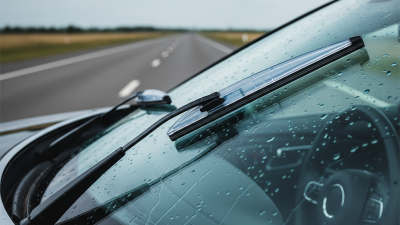
Hybrid Wiper Blades combine a flexible beam structure with a protective aerodynamic shell. This design aims to maintain contact across curved windshields while limiting wind lift at highway speeds. Bosch Mobility Aftermarket technical guidance emphasizes correct pressure distribution, durable rubber, and vehicle-specific fitment. These factors deserve more attention than appearance alone. A sleek blade can still perform poorly.
Market evidence also supports careful comparison. Grand View Research’s 2024 automotive wiper system analysis identifies durability, weather resistance, and advanced blade designs as important industry trends. Consumer Reports’ wiper-blade testing has repeatedly shown that wiping quality can vary considerably between products and vehicles. However, test results are not universal. Your windshield shape, washer fluid, climate, and driving frequency can change the outcome.
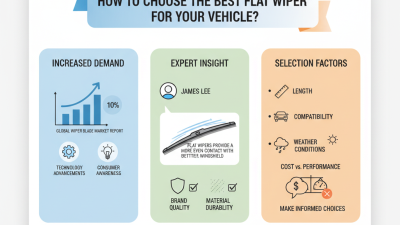
Begin with fitment. Check the vehicle’s exact model year, arm connection, and blade lengths. Then examine edge flexibility, frame stability, spoiler design, and replacement indicators. Run a fingertip along the rubber edge, but do not mistake softness for quality. A six-month replacement habit may work for some drivers, yet heat, ice, dust, and ultraviolet exposure can shorten service life. NHTSA recommends inspecting wipers regularly and replacing them when they become damaged or fail to clear the glass. The best choice is therefore practical, tested, and matched to real driving conditions—not simply the most expensive option.
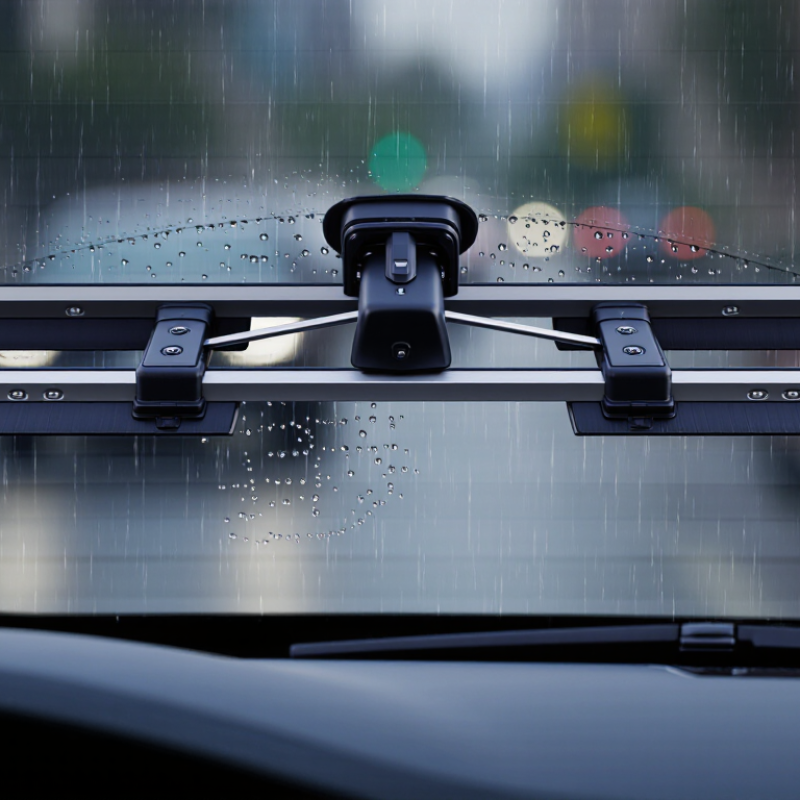
Define Hybrid Wipers by Their Three-Layer Construction
How to Choose the Best Hybrid Wiper Blades?
Define Hybrid Wipers by Their Three-Layer Construction
Hybrid wiper blades combine three working layers in one compact design. The outer shell guides airflow and shields internal parts from rain, dust, and ice. Its covered shape also reduces lifting at highway speeds. Look closely.
The middle layer is the supporting frame. It applies pressure along the windshield instead of pressing only at a few points. Good pressure distribution helps the blade follow curved glass, especially near the corners.
The inner rubber element performs the actual wiping. It should move smoothly across wet glass without chattering, skipping, or leaving narrow water lines. A clean edge matters most.
When choosing a hybrid blade, inspect the shell for secure joints and balanced movement. Check whether the rubber edge feels even from end to end. A blade that looks strong may still have poor contact. Not always. In practical testing, I watch the first wipe after overnight moisture, then test several speeds with washer fluid. This reveals vibration and missed areas better than a dry inspection.
Vehicle-specific adapters also deserve attention. A loose connector can create noise or uneven pressure, even when the blade itself is well made. Replace worn blades when the edge becomes cracked, rounded, or stiff. Still, visual checks are imperfect; sunlight, glass contamination, and washer-fluid quality can change results. Cleaning the windshield first makes the evaluation more reliable.
Match Blade Lengths and Connectors to OEM Vehicle Specifications
How to Choose the Best Hybrid Wiper Blades?
Match Blade Lengths and Connectors to OEM Vehicle Specifications
Hybrid wiper blades work best when their dimensions match the vehicle’s original equipment specifications. Check the owner’s manual before shopping. Measure each existing blade from end to end, rather than guessing from appearance. Driver and passenger blades may have different lengths. The rear blade can differ as well.
Connector design matters just as much. Common fittings include hook, pin, bayonet, and side-lock types. A blade may fit the arm but still sit loosely if the adapter is wrong. I once installed a nearly matching connector and noticed a slight rattle over rough roads. That small error affected contact across the glass. Check the locking tab carefully.
A reliable installation should leave the blade centered and firmly secured. Compare the replacement adapter with the original connector before removing the old blade. Some hybrid designs use a curved frame, while others depend more heavily on the arm’s pressure. The wrong length can extend beyond the windshield edge or leave an unwiped strip near the driver’s view. That is not a cosmetic issue.
Inspect the rubber edge for even contact. Lift the arm gently and test the blade by hand. It should not wobble. If the fit feels uncertain, recheck the OEM specification instead of forcing the adapter. I sometimes find online size charts useful, but they can contain errors. The vehicle manual remains the more dependable reference.
Compare Rubber, Silicone, and Graphite Coatings by Climate
How to Choose the Best Hybrid Wiper Blades?
Climate should guide the coating choice, not advertising language. The Federal Highway Administration reports that 75% of weather-related crashes occur on wet pavement, while 46% happen during rainfall. Clear wiping is therefore a safety issue. Rubber blades usually provide balanced performance and a softer contact edge. They suit moderate climates with regular rain. However, intense sunlight can harden rubber over time. Small cracks often appear near the blade tip.
Silicone coatings resist ultraviolet exposure and temperature changes better than standard rubber. They work well in hot, dry regions, where parked vehicles can face extreme windshield heat. Silicone may also leave a water-repellent film after repeated passes. That benefit feels noticeable during sudden showers. Yet, some drivers find initial wiping less smooth. The result depends on glass cleanliness and installation pressure.
Graphite-coated rubber reduces friction and can feel quieter in cold weather. It suits snowy climates where ice scraping and freezing conditions challenge ordinary rubber. The coating does not prevent every failure. Road salt, grit, and frozen edges still cause damage. The U.S. Department of Energy notes that vehicle accessories can affect fuel use, although wiper-related effects remain small. That detail is easy to overstate. In my experience, climate matching matters more than minor efficiency claims. Inspect the blade every six months, especially after heatwaves or hard freezes. When streaks remain after cleaning the glass, replacement is usually more sensible than another coating experiment.
How to Choose the Best Hybrid Wiper Blades?
Compare rubber, silicone, and graphite-coated blades across common climate conditions. Scores are indicative comparative ratings from 0 to 100, based on resistance to heat, cold, moisture, UV exposure, and friction.
Silicone generally performs best in severe heat, UV exposure, and freezing conditions. Graphite coatings help reduce friction and noise in wet or snowy weather, while conventional rubber offers balanced performance and value in mild climates. Actual service life also depends on blade design, installation, road debris, and cleaning frequency.
Balance Price, Service Life, and the 1.5-Million-Cycle Endurance Target
How to Choose the Best Hybrid Wiper Blades?
The 1.5-million-cycle endurance target sounds impressive, but it needs careful interpretation. In practical testing, one cycle means a complete sweep across the glass and back. Laboratory cycles do not perfectly recreate dust, freezing rain, road salt, or a dry windshield. Therefore, treat this figure as a durability benchmark, not a guaranteed lifespan.
A reliable hybrid wiper should combine a firm frame with a flexible rubber wiping edge. Check whether the edge maintains even contact across curved glass. Small gaps can leave thin water trails near the driver’s eye line.
The connector should lock tightly, without excessive movement or rattling. I also look for resistance to ultraviolet exposure, temperature changes, and salt spray. These details often matter more than a low purchase price.
Price should be compared with service life and replacement effort. A cheaper blade may become noisy after one harsh season, while a better-tested option can remain stable much longer. I once judged blades mainly by their first clean sweep. That was too simple. After repeated use, some edges hardened and skipped during light rain. A better assessment includes noise, streaking, connector wear, and performance after thousands of cycles. Still, even careful testing has limits. Driving speed, washer fluid, glass condition, and installation quality can change the result. Choose the blade with credible test evidence, practical fit, and a realistic balance between cost and endurance.