Leave Your Message

China Best Water Wiper Car Supplier for Global Buyers

Finding the China Best Water Wiper Car Supplier for Global Buyers requires more than comparing prices. Buyers need dependable products, clear specifications, and communication that remains practical after the first quotation.

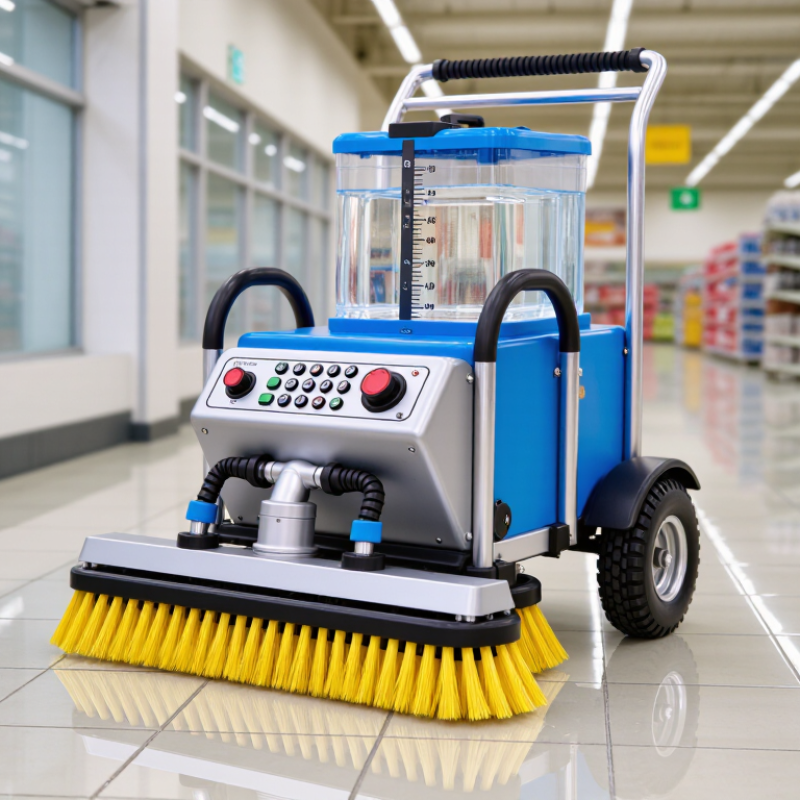
This guide explores how to evaluate a Water Wiper Car supplier for international purchasing. It considers cleaning performance, water-tank capacity, brush durability, operating width, battery options, and replacement-part availability. These details affect daily efficiency in supermarkets, stations, warehouses, and public facilities. A machine may look impressive in photographs, yet its real value appears during repeated cleaning tasks. Stable movement matters. So does easy maintenance.

The discussion also examines factory experience, quality-control procedures, sample testing, packaging, and export support. Reliable suppliers should explain materials, production steps, inspection standards, and expected service life without hiding limitations. Buyers should request videos, technical documents, and a sample unit when possible. Independent checks remain useful, even when a supplier communicates confidently.

No supplier is perfect. Some product claims may need closer verification. That is worth remembering. A thoughtful purchasing process compares performance, warranty terms, delivery capability, and long-term operating costs. It also checks whether the supplier can adapt voltage, labels, manuals, and accessories for different markets. Through practical evidence and careful questions, global buyers can identify a professional Chinese partner and reduce avoidable purchasing risks.
China Best Water Wiper Car Supplier for Global Buyers

What Makes China a Leading Water Wiper Car Supplier

China has become a major water wiper car supplier because automotive production knowledge is concentrated in complete manufacturing clusters. In these areas, rubber, plastic, motors, springs, packaging, and testing services are often located nearby. This structure shortens sampling time and helps control component consistency. Small orders matter. Experienced suppliers study blade pressure, wiping angles, connector fit, and resistance to heat and cold. They can adjust sizes for sedans, trucks, and utility vehicles.

Reliable factories use incoming inspection, assembly checks, and final performance tests. A practical test may spray water across glass and measure missed areas, noise, and return speed. Workers also examine carton strength after vibration and drop testing. Clear records make defects easier to trace. Technical teams can provide drawings, samples, material options, and installation guidance before mass production. This supports buyers facing different climates and vehicle specifications.

However, quality can vary between suppliers. A polished catalog proves little. Buyers should review test reports, production photos, sample results, and communication response times. Factory audits, video inspections, and written tolerances reduce uncertainty. English documentation is useful, but precise drawings matter more. Export teams familiar with customs paperwork and protective packaging can help prevent delays and damage. China’s logistics network offers flexible sea, rail, and air options for different order sizes. Still, cheaper pricing may hide thinner rubber or weaker springs. That deserves careful checking. No supplier is perfect. Reliable performance must be verified repeatedly.

Types and Applications of Water Wipers for Different Vehicles

China Best Water Wiper Car Supplier for Global Buyers

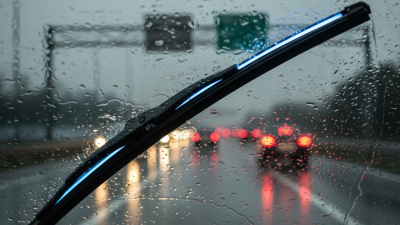
Water wipers must match the vehicle, not merely the windshield size.

Passenger cars usually need flexible rubber blades with stable pressure across curved glass. SUVs often require stronger frames because of larger windshields and higher driving speeds.

Trucks and buses need longer blades, reinforced connectors, and durable materials for frequent road use. Small utility vehicles may need compact blades with simple installation.

Different climates also change the application. Natural rubber can provide smooth wiping in moderate conditions. Synthetic rubber often performs better under strong sunlight, heavy rain, and temperature changes.

Silicone blades may reduce water marks, but their surface performance depends on coating quality and glass condition. They are not automatically better.

A dependable Chinese supplier should check blade length, adapter fit, spring tension, and wiping pressure during production. Practical testing should include repeated wiping, dry-start resistance, and exposure to heat and moisture.

We have found that connector errors cause many installation complaints. Packaging should also protect blades from bending during long-distance shipping.

Vehicle owners sometimes choose by price alone. That can be a costly mistake.

A low-cost blade may leave narrow water lines or produce noise within weeks. Still, no universal design fits every vehicle. Even accurate drawings can miss small differences between model years, so sample testing remains necessary before bulk orders.

Key Manufacturing Standards and Product Quality Factors

China Best Water Wiper Car Supplier for Global Buyers

Key Manufacturing Standards and Product Quality Factors

A reliable car water wiper supplier must control materials, design, testing, and traceability. OICA reported 93.5 million motor vehicles produced worldwide in 2023. That scale increases demand for stable replacement quality. It also exposes weak suppliers quickly. Buyers should request evidence of ISO 9001 systems and IATF 16949-based automotive controls. SAE J903 offers useful guidance for windshield wiper performance. Key checks include wiping coverage, pressure distribution, noise, ozone resistance, and temperature cycling. Natural rubber quality matters. So does the frame’s corrosion protection. A sample may look excellent but still fail after repeated dry wiping.

Supplier audits should review incoming inspection records, mold maintenance, batch coding, and final inspection data. Test reports need clear methods, dates, and sample quantities. Random sampling is better than selecting only perfect units. This approach supports reliable decisions. However, no factory is flawless. Even experienced teams can miss edge lifting after long-term UV exposure. That weakness deserves investigation, not concealment. The 2024 automotive supply chain environment also favors suppliers with flexible tooling and documented corrective actions.

Tips: Ask for test videos from cold, hot, and dusty conditions. Check blade contact across the full glass area. Compare three production batches. Confirm packaging protects rubber from sunlight and deformation. Request a written response for every failed test. Small details often separate a dependable supplier from a cheap one.

How Global Buyers Can Evaluate Chinese Water Wiper Suppliers

China Best Water Wiper Car Supplier for Global Buyers

Global buyers should evaluate Chinese water wiper suppliers beyond price and catalog photos. OICA recorded 93.5 million motor vehicles produced worldwide in 2023. That scale increases demand for stable, traceable components. Ask each supplier for material specifications, production records, and recent test results. Check rubber hardness, beam strength, connector fit, and wiping performance after repeated cycles.

Performance evidence matters. SAE J903 defines important windshield wiper system considerations, while local vehicle regulations may add further requirements. A capable supplier should explain its testing method, sample size, failure rate, and environmental conditions. Request tests involving heat, cold, salt spray, and continuous wiping. Compare three samples from separate production batches. One sample can look perfect.

Factory verification also needs practical details. Review quality procedures, calibration records, incoming inspection, and lot traceability. Confirm whether the factory controls rubber mixing and assembly internally. Independent audits can reveal crowded storage areas, weak labeling, or inconsistent final inspection. These details often predict shipment problems better than polished presentations.

Commercial reliability deserves equal attention. Check minimum order quantities, mold ownership, packaging strength, replacement procedures, and delivery history. Use a written specification sheet before placing a trial order. However, even a detailed checklist has limits. Real roads expose vibration, dust, and poor installation. A pilot shipment, field feedback, and corrective-action record provide stronger evidence than promises. Industry data shows market scale, but supplier quality still depends on disciplined verification.

Ordering, Customization, Inspection, and International Shipping

China is a practical sourcing base for water wiper car products, especially for large international orders. Buyers should confirm blade size, handle material, rubber hardness, packaging, and expected monthly volume before requesting a quotation. A clear purchase sheet prevents small details from becoming expensive mistakes.

Customization can include colors, logos, handle shapes, private packaging, and carton markings. Suppliers should provide drawings or samples before mass production. One sample may look excellent but perform poorly on a wet windshield. Testing should include wiping pressure, streak resistance, grip comfort, and repeated use. Inspection should check dimensions, surface defects, packaging strength, and carton quantity. Photos help, but they are not enough. An independent inspection can compare finished goods with approved samples and written specifications.

International shipping requires accurate product descriptions, carton dimensions, gross weight, and destination details. Buyers can compare sea freight, rail, air, or express delivery based on urgency and budget. The supplier should confirm the trade term, shipping documents, loading date, and insurance responsibility. Packaging must protect the rubber edge from bending during long transport. Customs rules differ by destination, so buyers should verify import requirements locally. In practice, delays often come from missing documents rather than production problems. Allowing extra time is wise, although it may make the delivery plan less satisfying.