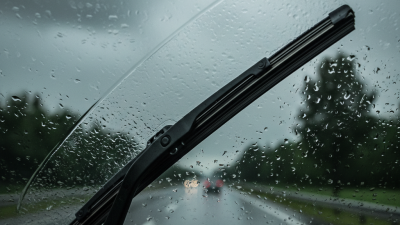
Choosing the Best Type of Car Window Blades is not as simple as picking the most expensive package. Drivers face different rain, dust, temperatures, and windshield shapes. A blade that works quietly on a new sedan may chatter across an older SUV.
Richard Reina, Product Training Director at CARiD and an experienced automotive educator, offers a practical reminder: “The best wiper blade is the one that fits your vehicle and your driving conditions.” That advice matters. Fit comes before marketing claims.
Conventional blades remain affordable and dependable for many cars. Their exposed metal frames can perform well in moderate weather, but snow and ice may collect around the joints. Beam blades use a flexible, curved design. They press more evenly against modern, highly curved windshields. This can improve contact during heavy rain. Hybrid blades combine a framed structure with an aerodynamic cover. They often provide balanced performance, though their price can be higher.
The details are visible at night.
Watch the wiped area closely. A good blade should leave a clean, consistent path without narrow streaks, skipped patches, or squeaking. Silicone blades may last longer in harsh conditions, but durability claims still depend on heat, sunlight, washer fluid, and maintenance. That part is easy to overlook.
There is no universal winner. Even careful recommendations can fail when a vehicle has unusual arm pressure or a poorly fitted adapter. This guide compares Car Window Blades by design, weather performance, noise, lifespan, installation, and value. It also questions one common assumption: higher price does not always mean clearer vision.
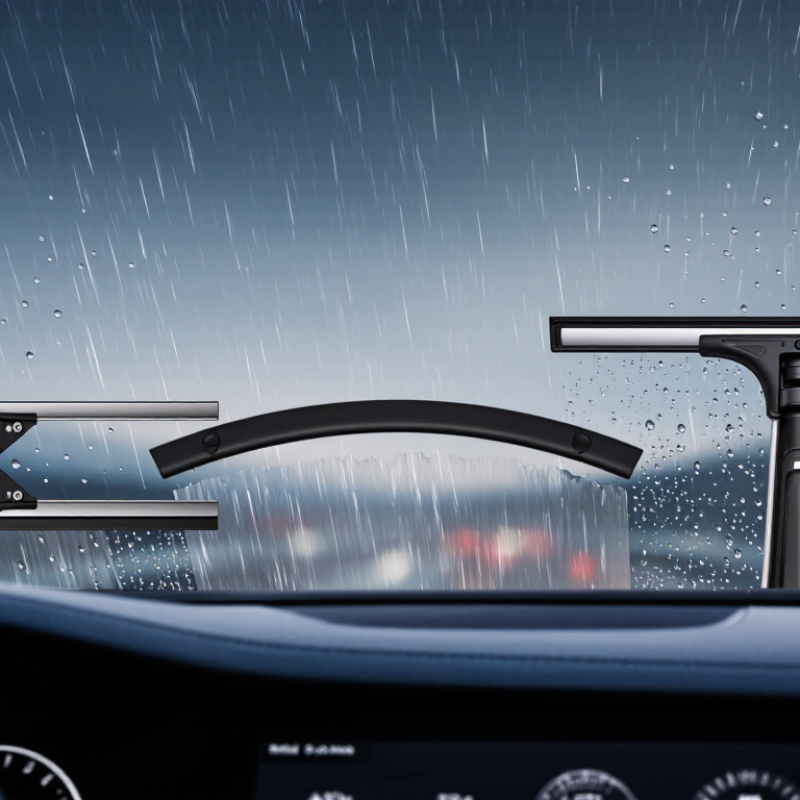
Car window blades usually mean windshield wiper blades. Their design affects visibility, noise, and service life. The main types are conventional, beam, hybrid, and winter blades.
Conventional blades use a metal frame with several pressure points. They are affordable and perform well on smooth glass.
Beam blades use one flexible rubber shell. They press more evenly against curved windshields, especially during heavy rain.
Hybrid blades combine a framed core with an aerodynamic cover. They balance stability, pressure, and appearance.
Winter blades have a protective outer cover, which helps prevent snow and ice from entering the frame. However, they can feel bulky in warmer weather.
The Federal Highway Administration reports that weather-related crashes represent about 21% of all crashes in the United States. NHTSA data also shows that wet pavement contributes to many fatal collisions. Clear glass is not a cosmetic detail. It supports reaction time.
In practical inspections, streaks, chatter, and missed arcs usually indicate hardened rubber or poor contact. No blade type wins every test. Curved glass, local snow, driving speed, and washer-fluid quality change the result.
Tips: Check the vehicle manual before buying. Measure both front blades, because their lengths may differ. Replace damaged rubber quickly. A blade that leaves a narrow untouched strip can become a serious night-driving problem. One overlooked detail: lifting the blade away from hot glass may prevent premature cracking, but it is not always convenient. Regular cleaning still matters.
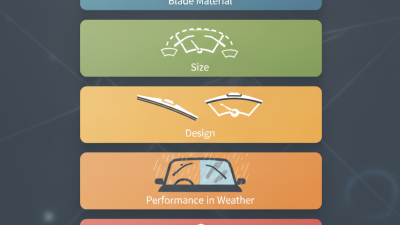
The best car window blade depends on material, design, and vehicle compatibility. Natural rubber usually provides smooth wiping and low operating noise. Synthetic rubber often resists sunlight, heat, and freezing conditions better. Silicone can last longer, but it may cost more and leave a different water-repelling film.
Blade design also affects daily performance. Conventional blades use a metal frame with several pressure points. They work well on flatter windshields. Beam blades use a flexible frame that follows curved glass more closely. This design can perform better in heavy rain and snow. Hybrid blades combine both structures. They offer strong contact without looking overly bulky.
Compatibility needs careful checking. Measure the exact blade lengths for both sides. Confirm the connector type before ordering. Some vehicles use different sizes on the driver and passenger sides. A rear window may require a separate fitting. The blade should sit evenly against the glass, with no visible gaps.
I once assumed two similar connectors would fit, and that small mistake caused poor contact. It was an avoidable error.
Climate matters too. In dusty regions, softer rubber may collect grit quickly. In cold areas, a flexible beam design may reduce ice-related lifting. However, no material stays perfect forever. Inspect the edge after dry seasons, long trips, and sudden weather changes. Replace a blade when it leaves streaks, skips, or makes a dragging sound. Clean glass still matters, and I sometimes underestimate that simple step.
What Is the Best Type of Car Window Blades?
The best car window blade depends less on appearance than on weather, road grit, and driving habits. In mild, dry climates, a conventional framed blade can provide even pressure at a reasonable cost. Its exposed joints may collect dust, though. Beam-style blades usually resist snow and ice buildup because they have fewer external moving parts. Hybrid designs combine a supportive frame with a covered shell, offering a practical option for changing seasons.
Heavy rain tests a blade’s contact with the glass. A worn edge may leave thin water lines, especially at highway speeds. Hot sunlight can harden the rubber and create skipping or squeaking. Dusty roads slowly abrade the wiping edge. Road salt may also corrode exposed metal parts. It matters. Drivers in snowy regions should avoid forcing frozen blades across the windshield. That mistake can tear the rubber quickly.
Driving frequency changes the decision, too. A vehicle parked outside every day needs stronger resistance to ultraviolet light and temperature changes. A rarely driven car may need a flexible blade more than an expensive design. I once replaced blades because of noise, then noticed the windshield had a rough film. The new blades were not the whole problem. Cleaning the glass and checking the blade edge can prevent a needless replacement. Before buying, inspect the connector, measure the correct length, and consider how often severe weather affects your route.
| Blade Type | Best Weather Conditions | Typical Performance | Main Advantages | Main Limitations | Approximate Service Interval | Overall Suitability |
|---|---|---|---|---|---|---|
| Conventional Frame Blade | Mild climates, light to moderate rain, and regular city driving | Good wiping on smooth glass; performance depends on frame joints remaining free of dirt and corrosion | Usually economical; easy to find; rigid frame applies pressure through several contact points | Snow and ice can clog the frame; exposed joints may corrode; less aerodynamic at higher speeds | About 6–12 months, depending on sunlight, dirt, and usage | Good for moderate conditions |
| Beam Blade | Heavy rain, snow, freezing temperatures, and frequent highway driving | More uniform contact across curved windshields; usually maintains pressure well in poor weather | Frameless design resists snow and ice buildup; flexible spine follows windshield curvature; lower wind lift | Often costs more; accumulated grit can still damage the rubber edge; fit quality is important | About 6–12 months, with shorter life in severe winter or high-UV conditions | Best all-weather choice |
| Hybrid Blade | Mixed climates with rain, occasional snow, and changing temperatures | Combines strong glass contact with better weather shielding than an exposed frame blade | Balanced performance; protective shell helps reduce ice and debris interference; suitable for many windshield shapes | Heavier and generally more expensive than conventional designs; outer cover may collect road grime | About 6–12 months under normal use | Best balance for varied climates |
| Silicone-Edge Blade | Hot, sunny climates and areas with frequent dust or long periods between rainstorms | Can retain flexibility well under UV exposure and may leave a water-repellent silicone film during use | Good resistance to ozone and sunlight; smooth operation when the windshield is clean | May smear if used on a dirty or oily windshield; typically costs more; not automatically superior in snow | About 9–18 months, depending on heat, UV exposure, and cleaning habits | Strong choice for sunny climates |
| Winter-Specific Blade | Frequent snow, freezing rain, slush, and temperatures below freezing | Protective covering helps keep snow and ice away from the supporting mechanism | Better resistance to ice-related blockage; designed for severe winter precipitation | Bulkier appearance; can be less effective in hot weather; the cover may increase wind noise | One winter season or about 6–12 months, depending on storage and climate | Best for severe winter use |
| Rear Window Blade | Rain, road spray, dust, and hatchback or SUV rear-window use | Designed for a smaller, more highly curved glass area and a shorter wiping arc | Compact shape; improves rear visibility; often uses a vehicle-specific mounting design | Not interchangeable with front blades; rear glass may accumulate more dust and exhaust residue | About 6–12 months, or sooner if streaking and skipping appear | Essential for rear visibility |
What Is the Best Type of Car Window Blades?
The best car window blade depends on weather, driving habits, and maintenance expectations. Beam-style blades usually press evenly against curved windshields. This helps maintain visibility during heavy rain. Their enclosed design also resists snow and ice buildup. Conventional framed blades can perform well, but exposed joints may collect grit over time. Hybrid blades offer a practical compromise between support and weather protection.
Durability begins with the blade material. High-quality rubber gives dependable wiping and usually costs less. Synthetic or silicone-based compounds may resist heat, ultraviolet exposure, and cracking longer. However, material alone does not guarantee a clean sweep. A bent arm, damaged windshield, or loose connector can create streaks. I once replaced blades too quickly, only to discover road film was the real problem. That mistake changed how I inspect them.
Noise is another useful warning sign. Chattering often indicates hardened edges, incorrect pressure, or a dirty glass surface. Clean the windshield and blade edge with mild soapy water before replacing anything. Avoid scraping the blade with sharp tools. Check the wiping pattern from the driver’s seat, especially at night under streetlights. Blades commonly need inspection every few months and replacement when they leave persistent lines, skip sections, or squeak repeatedly. My own maintenance records are not perfect, so I now check them whenever seasonal temperatures change. A quiet blade is helpful, but clear vision matters more.
Typical comparative performance of common windshield wiper blade designs
Scores use a 1–10 comparative index based on common design characteristics. Beam blades generally provide the most even windshield contact and lowest snow or ice buildup, while hybrid blades balance aerodynamic performance with added frame support. Conventional framed blades are typically less expensive but may require more frequent cleaning and adjustment in harsh weather. Actual results vary with climate, windshield condition, driving speed, and replacement quality.
Choosing the best car window blades starts with your vehicle, not the package. Check the owner’s manual for the exact blade length and connector type. A few millimeters can cause missed glass or damaging contact. I once fitted a nearly correct blade. It looked fine, but the corner stayed wet.
The Federal Highway Administration reports that 75% of weather-related crashes happen on wet pavement. Rainfall is involved in 46% of those crashes. Clear visibility matters.
For frequent rain, choose a beam-style blade with a flexible spoiler. It can maintain pressure across curved windshields. In snowy areas, a protected frame may resist ice buildup better. Hybrid designs offer a practical middle ground, though their performance varies.
Inspect the rubber edge closely. It should feel smooth, flexible, and continuous. Cracks, splits, skipping, or gray streaks indicate replacement. Do not judge performance by appearance alone. Use washer fluid and test the blade at several speeds. Chatter may signal contamination, poor pressure, or an incorrect fit. Many drivers replace blades every six to twelve months, but heat, dust, and ultraviolet exposure can shorten that period. That interval is only a guide. Your windshield tells the real story.