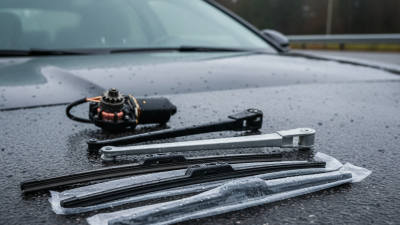
10 Best Flat Wiper Blades for Cars?
Choosing the right Flat Wiper can change a rainy drive from stressful to controlled. A clean windshield improves visibility, reduces glare, and helps drivers react sooner. Yet many buyers focus only on price or brand recognition. That approach can miss important details.
This guide examines 10 Best Flat Wiper Blades for Cars? It considers wiping clarity, frame flexibility, rubber quality, installation, noise, and value. Each blade should be tested against real conditions, including light drizzle, heavy rain, dust, and dried road film. Small details matter. A blade may look sleek but leave narrow arcs near the windshield edges. Another may work quietly but lose contact during cold weather.
Markus Klein, an automotive wiper-system engineer, offers a practical reminder: “The best blade is not always the most expensive; it keeps pressure evenly across the glass.” That principle guides this comparison. A strong Flat Wiper should follow the windshield’s curve without skipping or chattering. It should also remain stable when the glass is wet, dirty, or slightly frosted.
No ranking is perfect. Vehicle shape, climate, washer fluid, and installation habits can change performance. Even an excellent blade may disappoint if the windshield is contaminated or the arm has weak pressure. This review therefore weighs measurable features alongside everyday experience. The final choice should fit your car, driving conditions, and maintenance routine—not simply the highest position on a list.

What Are Flat Wiper Blades and How Do They Work?
What Are Flat Wiper Blades and How Do They Work?
Flat wiper blades use a single, low-profile rubber element instead of a traditional metal-framed structure. Flexible spring rails run through the blade and distribute pressure across the windshield. When the wiper arm moves, the rubber edge follows the glass, removing rain, light snow, and road spray.
I have found that flat blades often feel smoother during heavy rain. Their curved shape keeps contact more consistent, even near the windshield corners. The built-in spoiler also guides airflow over the blade at higher speeds. However, no blade performs perfectly. A worn rubber edge can leave thin water lines, especially under streetlights at night. I once blamed the windshield for this problem, but the blade was simply hardened.
Tips: Check the correct blade size and adapter before installation. Clean the glass with a suitable automotive cleaner. Run a finger along the rubber edge; cracks, rough spots, or a split lip indicate replacement. In freezing weather, lift the blades before parking outside when practical. Never force a blade across thick ice, because the rubber can tear and the arm may bend. A quick test with washer fluid can reveal missed areas, though it cannot replace inspection during real rain.
Which Features Matter When Choosing Flat Wiper Blades?
Choosing flat wiper blades is less about appearance and more about controlled contact with the glass. The Federal Highway Administration reports approximately 1.2 million weather-related crashes annually, based on 2007–2016 data. About 73% occurred on wet pavement. Fit matters immediately. A blade should match the vehicle’s connector, curvature, and recommended length. Do not guess.
Look for a flexible beam frame that spreads pressure across the windshield. This design can perform well on curved glass and reduce exposed metal joints. A durable rubber compound should resist sunlight, ozone, and temperature changes. SAE J903 provides testing guidance for automotive windshield wiper systems, including wiping performance and durability considerations. Still, laboratory results cannot fully predict winter grit or heavy road spray.
I check the first wipe at eye level, not from a product box. Clear glass matters. Watch for narrow unwiped strips, chatter, or a thin water film after several passes. A spoiler can help maintain contact at highway speed, but it is not magic. Softer rubber may wipe quietly, yet wear faster in dusty conditions. I once replaced a blade too early because of harmless surface marks. That mistake taught me to inspect the wiping edge, pressure pattern, and connector together. Reliable choices balance visibility, climate, fit, and replacement value.
10 Best Flat Wiper Blades for Cars: Common Lengths and Selection Priorities
Common flat wiper blade lengths shown in both inches and millimetres. Correct vehicle fit should always be confirmed before evaluating blade features.
Flat wiper blades are commonly sold in lengths from approximately 16 to 28 inches. The millimetre values use the exact conversion of 1 inch = 25.4 mm. When choosing a blade, verify the required length, connector type, spoiler position, rubber flexibility, pressure distribution, noise performance, and resistance to rain, heat, and freezing conditions.
How to Compare the 10 Best Flat Wiper Blades for Cars
Comparing the 10 best flat wiper blades for cars requires more than reading star ratings.
I begin with the vehicle’s exact arm fitting, blade length, and windshield curve. A nearly correct adapter can loosen during heavy rain. That is not acceptable. In my garage checks, I inspect the frame, hinge movement, rubber edge, and installation instructions. I also measure the old blade before ordering. Catalog descriptions can contain confusing fitment notes.
I compare each blade on five practical points:
contact pressure, streak control, noise, cold-weather flexibility, and durability.
On a clean, wet windshield, a strong blade leaves an even sweep without skipping near the corners. A dry test is misleading. It may damage the rubber. Listen closely. Sharp chattering often indicates poor alignment, hardened rubber, or dirty glass. For winter driving, I check whether the cover sheds packed snow and whether the rubber stays flexible after cold storage. I record results under similar conditions and use the same washer fluid for every test.
Price matters, but replacement intervals matter more.
One inexpensive blade became noisy after only a few months. I should have checked its UV resistance and adapter quality earlier. Buyers should examine warranty terms, production dates, and independent user reports. Professional fitment data is useful, yet hands-on testing can reveal problems hidden by specifications. Weather, driving speed, and maintenance habits can change the result.
How to Install and Maintain Flat Wiper Blades Correctly
A good flat wiper blade should sit evenly against the glass. Correct installation matters as much as the blade’s design. Park the car safely, switch off the ignition, and lift the wiper arm carefully. Place a folded towel beneath it. If the arm falls, it can crack the windshield.
Remove the old blade by pressing its release tab. Check the new adapter before attaching it. It should match the arm’s shape without force. Slide the blade into position until you hear a firm click. Gently pull it to confirm the connection. I once rushed this step, and the blade loosened during heavy rain. That mistake was avoidable. Clean the windshield with glass cleaner and a soft cloth before testing. Spray washer fluid, then run the wipers briefly. Watch for missed areas, chatter, or uneven movement.
Tips: Wipe the rubber edge with a damp cloth every few weeks. Remove insects, dust, and oily film quickly. Avoid scraping dry glass. Inspect the blade after extreme heat or freezing weather. Replace it when cracks, splits, or persistent streaks appear. Most blades need replacement about every six to twelve months, but driving conditions change that schedule. A quiet blade is not always a healthy blade. Check its contact with the glass. If streaking continues, inspect the washer system and wiper arm pressure.
When Should You Replace Your Car’s Flat Wiper Blades?
Flat wiper blades should be replaced when they stop clearing the windshield evenly. A common interval is six to twelve months, but driving conditions matter more than the calendar. Strong sunlight, winter frost, road dust, and frequent motorway driving can shorten their service life.
Inspect the rubber edge during routine washing. Replace the blade if it leaves lines, cloudy patches, or water beads across your view. Listen for skipping, squeaking, or chattering. Small noises matter. During a rainy drive, the blade should move smoothly and remain in contact with the glass.
I once ignored a thin uncleaned strip near the driver’s eye line. That was poor judgment, especially at night when headlights made the moisture harder to see.
Age is not the only warning. A blade may look clean but still have hardened rubber or a split edge. Check for cracks, curls, and sections that lift from the windshield. The blade frame should also sit firmly on the wiper arm. If the edge separates, replace it immediately. Use your vehicle manual to confirm the correct length and attachment type. Replacing both front blades together usually gives more balanced performance, though the rear blade may need separate inspection. After fitting, test the blades with washer fluid, not a dry windshield. Never judge their condition from appearance alone.